
Paediatric physiotherapy in Le Grand-Saconnex: neuromotor disorders
About this treatment
Paediatric neuromotor physiotherapy provides a comprehensive assessment of children with neurological conditions affecting their movement. It also offers personalised care to support young children and encourage the development of their mobility and coordination. This paediatric physiotherapy service is available at Physio Santé Fit in Le Grand-Saconnex.
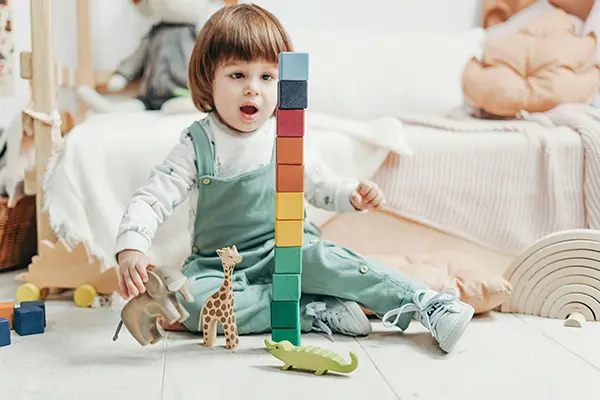
Why is this approach important?
- Assess different aspects of motor function ;
- Monitor your child’s progress and provide ongoing physiotherapy ;
- Develop a treatment and care plan ;
- Reduce the risks associated with limited physical activity, such as swelling and circulatory or respiratory problems ;
- Develop your child’s individual potential ;
- Strengthen the bond and interaction between parents and their child ;
- Help parents better understand their child’s needs and provide appropriate support.
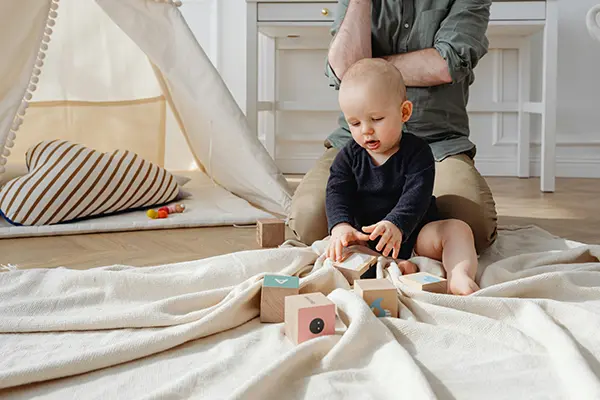
Who can benefit?
Children aged 0 to 6:
- Who need a neuromotor assessment when there are concerns about their motor development ;
- Who have conditions involving increased muscle tone, such as cerebral palsy, childhood hemiplegia or genetic conditions ;
- Children aged 0 to 15 who experience movement difficulties, including those associated with being overweight, without an underlying neurological condition.
What treatment approaches are offered?
- An initial assessment including a medical history, assessment scales and a physical examination ;
- Follow-up assessments to monitor your child’s progress ;
- Support for motor development through mobilisation exercises and adapted play-based activities, designed to encourage movement skills and coordination ;
- Techniques to relax muscles with increased tone, aiming to reduce muscle tension and improve mobility and coordination.
Who am I?
I am a physiotherapist who has undertaken further training to deepen my knowledge and specialise in paediatric physiotherapy. My energy, patience, listening skills and empathy are important qualities in supporting young patients and their parents.
